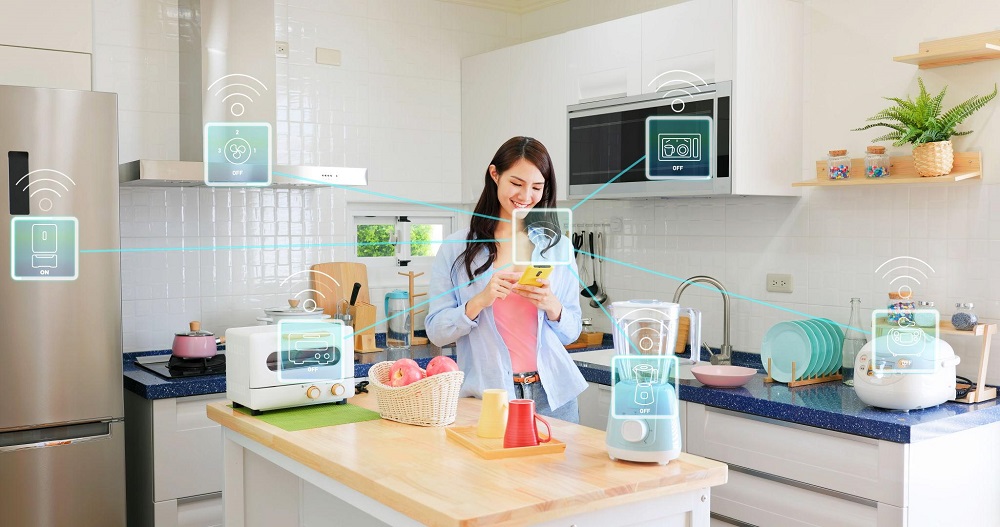
The Internet of Things has transformed how people interact with their homes, workplaces, and daily routines. By connecting devices through intelligent networks, IoT technology allows everyday objects to communicate, respond, and operate efficiently with minimal manual effort. Smart living is no longer limited to futuristic concepts. It is now part of modern lifestyles across households, cities, healthcare systems, and transportation networks.
IoT improves convenience, safety, energy efficiency, and decision making by enabling devices to collect and exchange data in real time. As adoption continues to expand, connected environments are becoming more responsive to human needs while supporting sustainability and long term comfort.
Understanding the Internet Of Things in Everyday Life
The Internet of Things refers to a network of physical devices connected through the internet that collect and share information. These devices include sensors, appliances, lighting systems, wearable technologies, vehicles, and security tools that communicate with each other without constant human input.
Common IoT features include:
- Real time monitoring
- Remote device control
- Automated responses
- Data driven optimization
- Predictive maintenance capabilities
Together, these features create environments that adjust automatically to user preferences and changing conditions.
Enhancing Convenience Through Smart Home Automation
One of the most noticeable benefits of IoT technology appears in home automation systems. Smart homes allow residents to manage appliances and utilities using smartphones or voice commands.
Examples of home automation improvements include:
Lighting control
Smart lighting systems adjust brightness based on time of day or occupancy patterns.
Temperature regulation
Connected thermostats maintain comfortable indoor conditions while reducing energy waste.
Appliance coordination
Smart kitchen equipment can operate on schedules that improve efficiency and convenience.
Remote home access
Residents can control devices from anywhere using mobile applications.
These features simplify daily routines and reduce unnecessary manual effort.
Improving Energy Efficiency and Resource Management
Energy efficiency remains one of the strongest advantages of IoT based smart living environments. Connected systems monitor usage patterns and adjust operations automatically to minimize waste.
Energy saving improvements include:
- Smart thermostats adjusting temperature based on occupancy
- Automated lighting turning off when rooms are empty
- Smart meters tracking electricity consumption
- Water monitoring systems detecting leaks early
Efficient resource management lowers utility costs and supports environmental sustainability.
Strengthening Home Security With Connected Monitoring Systems
Security systems have become more responsive through IoT integration. Smart monitoring tools provide real time updates and allow homeowners to respond quickly to unusual activity.
Connected security improvements include:
Smart door locks
Residents can control access remotely and monitor entry activity.
Video surveillance systems
Live video feeds allow continuous monitoring from mobile devices.
Motion detection alerts
Sensors notify homeowners immediately when unexpected movement occurs.
Alarm integration
Connected alarms respond automatically during emergencies.
These technologies increase confidence and improve household safety.
Supporting Health Monitoring Through Wearable Devices
IoT technology plays an important role in personal health monitoring. Wearable devices track vital signs and activity patterns, helping individuals maintain healthier lifestyles.
Examples of wearable device benefits include:
- Monitoring heart rate patterns
- Tracking sleep quality
- Recording physical activity levels
- Supporting medication reminders
- Detecting early warning signs of health concerns
These insights allow users to make informed decisions about their well being.
Improving Kitchen Efficiency With Smart Appliances
Smart kitchens represent another important aspect of connected living. IoT enabled appliances simplify meal preparation and reduce energy consumption.
Smart kitchen advantages include:
Automated cooking support
Appliances adjust temperature and cooking time automatically.
Inventory monitoring
Connected refrigerators help track available ingredients.
Energy optimized usage
Appliances operate during efficient electricity usage periods.
Remote operation capability
Users can control appliances before arriving home.
These features improve organization and reduce food waste.
Enhancing Smart Living Through Voice Controlled Assistants
Voice activated assistants have become central components of smart living environments. These systems allow users to control multiple devices using simple spoken commands.
Voice assistants support:
- Lighting adjustments
- Music playback
- Weather updates
- Schedule reminders
- Appliance activation
Hands free interaction increases accessibility and convenience for users of all ages.
Supporting Smart Transportation and Mobility Solutions
IoT technology improves transportation efficiency by connecting vehicles and infrastructure systems.
Smart transportation benefits include:
- Real time traffic monitoring
- Route optimization suggestions
- Vehicle maintenance alerts
- Parking availability tracking
- Connected navigation systems
These improvements reduce travel time and improve road safety.
Transforming Healthcare Services With Remote Monitoring Systems
Healthcare providers increasingly rely on IoT technology to improve patient care outside hospital environments. Remote monitoring systems allow medical professionals to track patient conditions continuously.
Healthcare improvements include:
Remote patient observation
Doctors receive updates without requiring frequent hospital visits.
Chronic disease management support
Connected devices help monitor ongoing health conditions.
Emergency response alerts
Systems notify caregivers during unusual health changes.
Improved medication tracking
Smart reminders help maintain treatment schedules.
These services increase patient independence while improving medical oversight.
Improving Workplace Productivity Through Connected Environments
IoT technology supports smarter workplaces by optimizing lighting, temperature, and equipment usage automatically.
Workplace improvements include:
- Smart meeting room scheduling systems
- Energy efficient office lighting adjustments
- Equipment usage monitoring
- Indoor air quality tracking
Connected offices create more comfortable and productive environments.
Supporting Environmental Sustainability Through Smart Systems
Smart living technologies contribute to sustainability goals by reducing resource consumption and improving environmental monitoring.
Sustainability benefits include:
Reduced electricity usage
Automated systems prevent unnecessary consumption.
Water conservation improvements
Leak detection systems prevent waste.
Air quality monitoring
Sensors track indoor pollution levels.
Waste management optimization
Smart bins monitor disposal patterns.
These improvements support healthier communities and cleaner living environments.
Enabling Better Data Driven Decision Making at Home
IoT systems provide detailed insights into daily routines and resource usage patterns. This information allows households to make informed adjustments that improve efficiency and comfort.
Examples include:
- Tracking peak electricity usage hours
- Monitoring appliance performance
- Identifiying water consumption trends
- Evaluating heating efficiency levels
Data visibility strengthens planning and reduces unnecessary expenses.
Supporting Elderly Care Through Smart Living Technologies
Connected devices help older adults maintain independence while ensuring safety and support.
Smart elderly care solutions include:
Fall detection sensors
Caregivers receive alerts when assistance is needed.
Medication reminders
Devices support consistent treatment routines.
Remote health monitoring
Family members stay informed about wellness conditions.
Emergency response systems
Immediate alerts improve safety during unexpected situations.
These systems help families provide support without limiting independence.
Increasing Property Value Through Smart Home Integration
Smart living technologies can improve property attractiveness in real estate markets. Buyers increasingly value connected homes that offer convenience and energy efficiency.
Smart property advantages include:
- Modern infrastructure appeal
- Reduced energy consumption costs
- Improved security features
- Remote access convenience
Technology integration supports long term investment value.
Encouraging Smart Community Development Through Connected Infrastructure
Cities are adopting IoT solutions to improve public services and infrastructure performance.
Smart community improvements include:
- Intelligent street lighting systems
- Traffic congestion monitoring tools
- Public safety alert networks
- Environmental condition tracking systems
These developments improve quality of life across urban environments.
Addressing Privacy and Security Awareness in Smart Living Environments
While IoT technology provides many advantages, users must remain aware of privacy responsibilities when using connected systems.
Important safety practices include:
- Updating device software regularly
- Using strong account passwords
- Securing home internet networks
- Monitoring connected device permissions
Responsible usage ensures safe and reliable smart living experiences.
Conclusion
The Internet of Things continues to reshape modern lifestyles by improving convenience, safety, efficiency, and sustainability across homes, healthcare systems, transportation networks, and workplaces. Connected devices simplify daily routines while providing valuable insights that support informed decision making.
As smart living technologies become more accessible, households and communities benefit from improved comfort, stronger security systems, better energy management, and enhanced health monitoring capabilities. IoT integration represents an important step toward creating responsive environments that support both individual well being and long term environmental responsibility.
Frequently Asked Questions
How does IoT technology differ from traditional home automation systems
Traditional automation systems operate on fixed schedules, while IoT systems respond dynamically using real time data and internet connectivity.
Can IoT devices operate without internet connectivity
Some devices provide limited offline functionality, but most advanced features require active internet connections for remote access and data sharing.
Are IoT devices suitable for small apartments or only large homes
IoT solutions can be adapted for any living space, including small apartments, because many devices require minimal installation space.
Do IoT systems require professional installation
Some systems require expert setup, but many consumer devices are designed for easy self installation using mobile applications.
How often should IoT devices be updated for security purposes
Software updates should be installed as soon as they become available to maintain protection against emerging security risks.
Can IoT technology help reduce monthly household expenses
Yes. Smart energy management systems reduce electricity and water usage, which lowers long term utility costs.
Is IoT technology compatible with renewable energy systems
Many smart living platforms integrate effectively with solar energy systems and battery storage solutions to improve energy management efficiency.