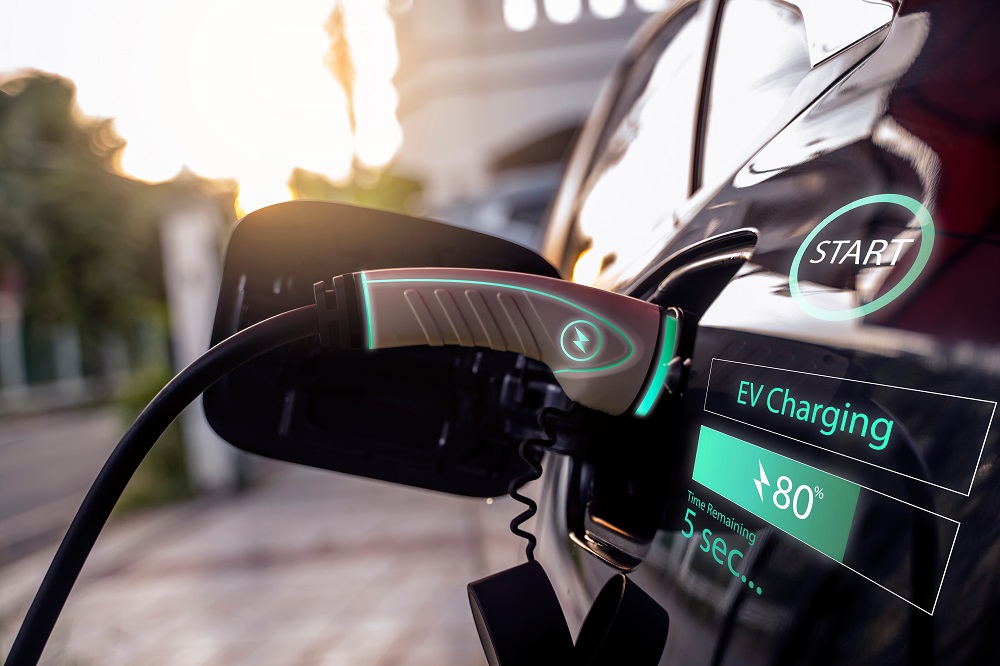
Electric mobility is no longer a niche experiment. It is a central pillar of modern transportation strategy across major economies. Governments worldwide are accelerating the shift from internal combustion engines toward cleaner alternatives through a coordinated mix of financial incentives, infrastructure investments, regulations, and industrial policies. These initiatives are reshaping how people move, how cities function, and how energy systems evolve.
Today’s policy environment reflects a transition from early experimentation toward large-scale deployment. Public authorities are focusing on affordability, accessibility, and reliability to make electric mobility a mainstream choice rather than a premium option.
Why Governments Are Prioritizing Electric Mobility
Transportation contributes significantly to global greenhouse gas emissions and urban air pollution. Electric mobility provides a pathway to reduce dependence on fossil fuels while improving public health outcomes.
Governments support electric mobility primarily to:
- Lower carbon emissions from road transport
- Improve urban air quality
- Enhance national energy security
- Strengthen domestic manufacturing ecosystems
- Encourage innovation in battery and charging technologies
- Create jobs in emerging clean mobility sectors
Policy frameworks now target both consumers and industry stakeholders to accelerate adoption at scale.
Financial Incentives Encouraging Electric Vehicle Purchases
One of the most visible government interventions involves direct financial incentives that reduce the upfront cost of electric vehicles.
These incentives include:
Purchase Subsidies
Governments provide rebates or tax credits that reduce the purchase price of electric vehicles at the point of sale or through annual tax filings. These incentives narrow the price gap between electric vehicles and conventional gasoline cars.
Common forms include:
- Federal tax credits
- State or provincial rebates
- Municipal purchase incentives
- Trade-in bonuses for older vehicles
These programs have proven especially effective during early adoption phases.
Reduced Registration Fees
Many jurisdictions waive or significantly reduce vehicle registration fees for electric vehicle owners. This makes long-term ownership more attractive.
Examples include:
- Lower annual licensing costs
- Exemptions from emission testing fees
- Waived luxury vehicle taxes in certain markets
Sales Tax Exemptions
Sales tax reductions or exemptions further decrease the purchase cost. In some regions, these savings can represent thousands of dollars per vehicle.
Together, these incentives help make electric vehicles financially competitive across multiple vehicle categories.
Expanding Charging Infrastructure Through Public Investment
Access to reliable charging infrastructure remains one of the most important factors influencing consumer adoption. Governments are investing heavily in nationwide charging networks.
Infrastructure programs typically focus on three priority areas:
Highway Fast Charging Corridors
Governments are funding high-speed charging stations along major highways to support long-distance travel. These networks reduce range anxiety and improve driver confidence.
Urban Charging Access
Cities are installing curbside charging stations and parking garage chargers to support residents without private driveways. This is essential for apartment dwellers and dense urban neighborhoods.
Workplace Charging Programs
Public grants encourage employers to install charging stations at offices, industrial parks, and campuses. Workplace charging increases convenience while supporting daily commuting needs.
Infrastructure expansion ensures that electric mobility becomes practical for a broader population.
Fleet Electrification Policies Driving Large-Scale Adoption
Government fleet electrification programs create strong demand signals that accelerate market transformation. Public agencies often transition buses, service vehicles, and administrative fleets to electric alternatives.
Key initiatives include:
- Electrifying municipal bus systems
- Converting postal delivery fleets
- Deploying electric police vehicles
- Transitioning government service vehicles
Fleet adoption generates predictable demand volumes that encourage manufacturers to expand production capacity.
Public transit electrification also delivers measurable improvements in urban air quality.
Regulations That Phase Out Internal Combustion Vehicles
Regulatory frameworks are becoming stronger as governments set timelines to reduce or eliminate gasoline vehicle sales.
Common regulatory tools include:
Zero Emission Vehicle Mandates
Manufacturers are required to sell a minimum percentage of zero-emission vehicles each year. These mandates accelerate industry innovation and production planning.
Fuel Economy Standards
Strict fuel efficiency requirements encourage automakers to shift toward electric drivetrains to meet compliance targets.
Future Sales Bans on Gasoline Vehicles
Several regions have announced future deadlines after which new internal combustion vehicles will no longer be sold. These long-term commitments provide clarity to manufacturers and consumers alike.
Regulations create a predictable policy environment that supports sustained investment.
Incentives Supporting Domestic Battery Manufacturing
Battery production is a strategic priority for electric mobility. Governments are investing heavily in local battery manufacturing capacity to reduce supply chain dependence and strengthen economic resilience.
Policy tools include:
- Manufacturing tax credits
- Land grants for battery factories
- Research funding for next-generation chemistry
- Workforce training programs
Domestic battery ecosystems help stabilize supply and reduce production costs over time.
Research and Development Funding Accelerating Innovation
Government funding programs support research institutions, universities, and private companies developing new electric mobility technologies.
Research priorities include:
- Solid-state batteries
- Fast charging technologies
- Lightweight vehicle materials
- Vehicle-to-grid integration
- Recycling technologies for lithium batteries
Innovation funding ensures that electric mobility continues improving in performance, affordability, and sustainability.
Incentives for Charging at Home and in Apartment Complexes
Home charging remains the most convenient option for many drivers. Governments support residential charging through targeted incentives.
Examples include:
- Rebates for home charger installation
- Electrical panel upgrade assistance
- Subsidies for apartment charging retrofits
- Grants for community charging hubs
These programs ensure that infrastructure availability grows alongside vehicle adoption.
Electrification Policies Supporting Public Transportation Systems
Public transit electrification plays a major role in reducing transportation emissions quickly.
Governments are investing in:
- Electric city buses
- Battery-powered commuter shuttles
- Electric school transportation programs
- Charging depots for transit operators
Transit electrification delivers immediate environmental benefits while improving passenger experience through quieter operation.
Utility Partnerships Strengthening Charging Networks
Electric utilities play a central role in supporting infrastructure deployment. Governments often coordinate policy efforts with energy providers to accelerate implementation.
Utility programs include:
- Reduced electricity rates for EV charging
- Time-of-use pricing incentives
- Grid modernization investments
- Managed charging programs
These partnerships ensure that charging infrastructure grows without stressing local energy systems.
Policies Encouraging Private Sector Participation
Governments are also encouraging private companies to invest in charging infrastructure and vehicle electrification.
Policy mechanisms include:
- Public-private partnership agreements
- Tax incentives for charging network operators
- Green financing programs
- Corporate fleet electrification grants
Private investment multiplies the impact of public funding and speeds deployment timelines.
Workforce Development Programs Supporting the Transition
Electric mobility requires new technical skills across manufacturing, maintenance, infrastructure installation, and software integration.
Governments are investing in:
- Technician training programs
- Battery engineering education
- Charging infrastructure certification courses
- Reskilling initiatives for automotive workers
Workforce readiness ensures that industry growth remains sustainable.
Policies Supporting Equity in Electric Mobility Access
Ensuring equitable access to electric transportation is becoming a major policy priority.
Programs increasingly target:
- Low-income households
- Rural communities
- Multi-unit housing residents
- Small business fleets
Equity-focused policies ensure that electric mobility benefits extend across all population groups.
Conclusion
Government policies supporting electric mobility adoption today reflect a comprehensive strategy that combines incentives, regulations, infrastructure development, and industrial investment. These initiatives are accelerating the transition toward cleaner transportation systems while strengthening economic competitiveness and energy resilience.
As charging networks expand, vehicle prices decline, and manufacturing capacity increases, electric mobility is moving steadily from early adoption into mainstream transportation reality. Continued policy coordination will remain essential to sustaining progress and ensuring that the benefits of electrification reach communities everywhere.
Frequently Asked Questions
1. How do governments decide which electric vehicles qualify for incentives
Eligibility usually depends on factors such as battery capacity, vehicle price limits, domestic manufacturing requirements, and emissions certification standards established by national transportation authorities.
2. Are electric mobility policies different in urban and rural areas
Yes. Urban policies typically focus on curbside charging and transit electrification, while rural policies prioritize highway charging corridors and regional access infrastructure.
3. Do government incentives apply to used electric vehicles
Some jurisdictions now provide incentives for certified pre-owned electric vehicles to expand affordability and increase adoption among budget-conscious buyers.
4. How do governments support electric mobility for commercial fleets
Commercial fleet programs often include tax deductions, charging depot grants, accelerated depreciation benefits, and infrastructure co-funding support.
5. What role do utilities play in electric mobility policy implementation
Utilities help manage electricity demand, install charging infrastructure, provide special charging tariffs, and coordinate grid upgrades needed for widespread adoption.
6. Are charging infrastructure investments funded entirely by governments
No. Most infrastructure programs involve a combination of public funding, private investment, and utility participation.
7. How do electric mobility policies support long-term sustainability goals
They reduce transportation emissions, promote renewable energy integration, encourage battery recycling innovation, and strengthen domestic clean technology industries.