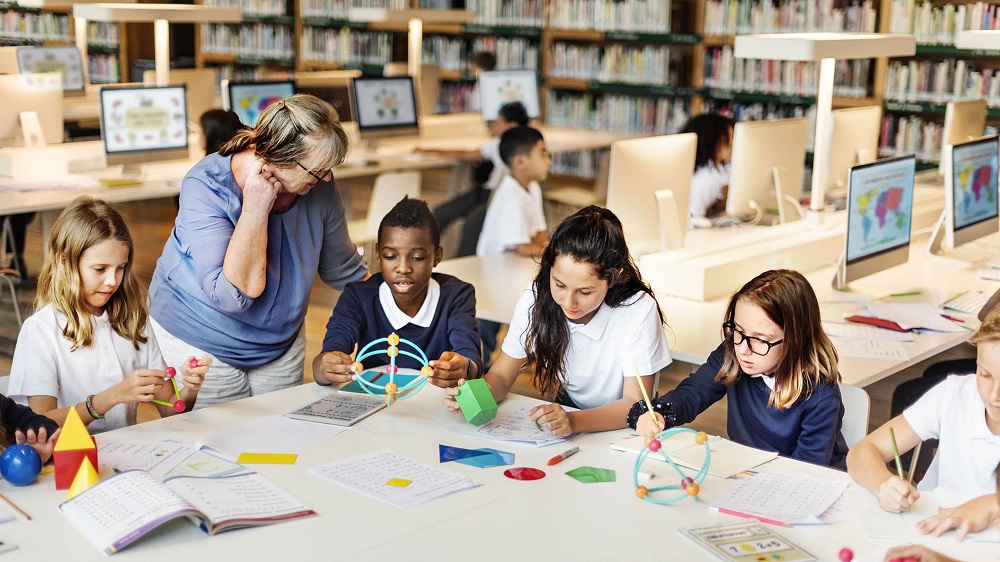
Education today is no longer limited to memorizing facts and repeating information during examinations. Schools and universities increasingly recognize that students must develop the ability to evaluate information, solve problems independently, and make informed decisions. At the center of these capabilities lies critical thinking, a foundational skill that strengthens academic success and prepares learners for real-world challenges.
Critical thinking helps students move beyond passive learning. It encourages them to question assumptions, analyze evidence, interpret information logically, and communicate ideas clearly. As knowledge continues to expand rapidly in the digital age, students who think critically are better equipped to adapt, innovate, and contribute meaningfully to society.
What Critical Thinking Means in Education
Critical thinking refers to the ability to evaluate information objectively and make reasoned judgments based on evidence rather than assumptions or opinions. It involves analyzing ideas, identifying relationships between concepts, and drawing conclusions supported by logic.
In student education, critical thinking includes:
- Asking thoughtful questions
- Evaluating sources of information
- Identifiying bias or misinformation
- Interpreting data accurately
- Comparing multiple perspectives
- Making reasoned decisions
Rather than accepting information at face value, students learn how to examine it carefully before forming conclusions.
Why Critical Thinking Is Essential for Academic Success
Students who develop strong critical thinking skills perform better academically because they understand concepts rather than memorizing them temporarily. Deep understanding improves retention and allows learners to apply knowledge across subjects.
Critical thinking supports academic achievement by helping students:
Understand complex topics more effectively
Analyzing concepts encourages deeper comprehension rather than surface learning.
Solve unfamiliar problems confidently
Students learn how to apply reasoning instead of relying on memorized solutions.
Write stronger assignments
Logical thinking improves argument structure and clarity in essays and research papers.
Participate actively in classroom discussions
Students become more confident expressing ideas supported by reasoning.
These advantages create stronger academic foundations across all grade levels.
Strengthening Independent Learning Skills
Modern education encourages students to become independent learners. Critical thinking plays a major role in helping students take responsibility for their own learning progress.
Students who think critically can:
- Identify gaps in their understanding
- Evaluate the quality of learning materials
- Organize information efficiently
- Monitor their progress over time
This independence builds confidence and prepares students for higher education environments that require self-directed study.
Supporting Better Decision Making Among Students
Students make decisions every day that affect their academic progress, relationships, and future career choices. Critical thinking helps them evaluate options carefully before acting.
With strong reasoning skills, students learn how to:
Assess consequences before making choices
Understanding outcomes reduces impulsive decision making.
Recognize misleading information
Students avoid relying on unreliable sources or rumors.
Balance emotional responses with logical reasoning
Thoughtful evaluation leads to more responsible actions.
These skills remain valuable throughout adulthood.
Encouraging Creativity Through Analytical Thinking
Critical thinking is often associated with logic and analysis, but it also supports creativity. When students evaluate ideas carefully, they can generate original solutions and explore innovative perspectives.
Creative thinking improves when students:
- Compare alternative approaches
- Question existing assumptions
- Explore multiple interpretations
- Combine ideas from different subjects
Education that promotes both analytical reasoning and imagination prepares students for modern problem solving environments.
Improving Communication and Argument Skills
Effective communication requires more than speaking confidently. Students must organize ideas logically and present arguments supported by evidence.
Critical thinking strengthens communication by helping students:
Develop structured arguments
Clear reasoning improves the strength of written and spoken responses.
Support opinions with evidence
Students learn to justify claims rather than relying on personal preference.
Listen to opposing viewpoints respectfully
Evaluating alternative perspectives improves collaboration skills.
These abilities are essential for academic presentations and professional interactions later in life.
Preparing Students for Digital Information Challenges
Students today encounter vast amounts of information through the internet and social media. Not all information is accurate or trustworthy. Critical thinking helps learners evaluate digital content responsibly.
Students with strong evaluation skills can:
- Identify credible sources
- Detect misinformation
- Recognize biased viewpoints
- Verify facts before sharing information
Digital literacy combined with reasoning skills protects students from confusion and misinformation.
Supporting Problem Solving Across Subjects
Critical thinking improves performance across all academic disciplines rather than benefiting only one subject area.
Examples include:
Mathematics
Students analyze problem structures instead of memorizing formulas without understanding.
Science
Learners interpret data, test hypotheses, and evaluate experimental results.
History
Students examine multiple perspectives rather than accepting simplified narratives.
Literature
Readers interpret themes and analyze character motivations thoughtfully.
Cross disciplinary thinking strengthens overall academic development.
Building Confidence in Student Learning
Confidence grows when students understand how to approach unfamiliar challenges logically. Instead of feeling overwhelmed by difficult tasks, they develop strategies to solve them step by step.
Confidence increases when students:
- Ask meaningful questions
- Test their understanding independently
- Evaluate their own reasoning
- Accept mistakes as learning opportunities
This mindset encourages persistence and resilience.
Encouraging Active Participation in the Classroom
Students who think critically participate more actively during lessons. They ask questions, share insights, and engage in collaborative discussions with classmates.
Active participation improves:
- Classroom engagement
- Peer learning opportunities
- Teacher student interaction
- Knowledge retention
When students contribute ideas confidently, learning becomes more dynamic and meaningful.
Supporting Career Readiness in the Future Workforce
Employers consistently value employees who can evaluate information carefully and solve problems independently. Critical thinking prepares students for workplace expectations long before they enter professional environments.
Workplace benefits include:
- Strong decision making abilities
- Effective teamwork participation
- Adaptability during change
- Logical planning skills
- Responsible leadership potential
Students who develop reasoning skills early are better prepared for future career success.
Helping Students Adapt to Changing Environments
Modern societies change rapidly due to technological development and global communication. Students must learn how to adjust to new situations rather than rely only on fixed knowledge.
Critical thinking helps learners:
Evaluate unfamiliar challenges quickly
Students adapt faster to new expectations.
Understand complex global issues
Reasoning improves awareness of social and economic developments.
Respond thoughtfully to uncertainty
Logical evaluation reduces stress during transitions.
Adaptability remains one of the most important lifelong learning skills.
Role of Teachers in Developing Critical Thinking Skills
Teachers play a central role in encouraging thoughtful learning environments that promote analysis and inquiry.
Educators support critical thinking by:
- Asking open ended questions
- Encouraging classroom discussions
- Promoting project based learning
- Supporting research activities
- Allowing students to explain reasoning processes
Instructional methods that emphasize understanding rather than memorization strengthen intellectual independence.
Role of Parents in Supporting Critical Thinking at Home
Learning does not occur only in classrooms. Parents also influence how children evaluate information and approach challenges.
Parents can support reasoning development by:
- Encouraging curiosity
- Discussing current events thoughtfully
- Asking children to explain their opinions
- Supporting reading habits
- Promoting problem solving activities
Home environments that value thoughtful discussion strengthen educational outcomes.
Integrating Critical Thinking into Modern Curriculum Design
Educational institutions increasingly recognize the need to include reasoning skills within structured curriculum frameworks.
Modern curriculum strategies include:
- Inquiry based learning methods
- Collaborative group projects
- Research oriented assignments
- Case study discussions
- Real world problem solving exercises
Curriculum integration ensures that reasoning skills develop consistently across grade levels.
Long Term Benefits of Critical Thinking Beyond Education
Critical thinking continues to benefit individuals long after they complete formal education. It influences how people interpret information, interact with others, and make responsible decisions throughout life.
Long term advantages include:
- Stronger civic participation
- Responsible financial decision making
- Improved interpersonal communication
- Better adaptability during career changes
- Increased awareness of social issues
Education that develops reasoning skills contributes to stronger communities and informed citizens.
Conclusion
Critical thinking plays a central role in student education by strengthening academic performance, supporting independent learning, improving communication skills, and preparing learners for future careers. As access to information continues to expand rapidly, the ability to evaluate knowledge thoughtfully becomes increasingly important.
Students who develop strong reasoning abilities gain confidence in their learning, adapt more effectively to change, and participate more actively in society. Educational systems that prioritize critical thinking create learners who are not only knowledgeable but also capable of thoughtful decision making throughout their lives.
Frequently Asked Questions
How can schools measure improvement in critical thinking skills among students
Schools often use project based assessments, analytical writing tasks, structured debates, and problem solving evaluations to observe reasoning progress rather than relying only on traditional examinations.
At what age should critical thinking development begin
Critical thinking can begin in early childhood through simple questioning activities, storytelling discussions, and observation exercises that encourage curiosity and reasoning.
Can technology support the development of critical thinking skills
Yes. Interactive simulations, digital research platforms, and collaborative learning tools allow students to analyze information and test ideas more effectively.
Does critical thinking help students perform better in standardized tests
Students with strong reasoning skills often interpret complex questions more accurately and manage unfamiliar problem formats more confidently.
How does group learning support critical thinking development
Collaborative learning exposes students to different viewpoints, encouraging comparison of ideas and strengthening reasoning through discussion.
Can extracurricular activities improve critical thinking abilities
Activities such as debate clubs, science competitions, robotics programs, and creative writing workshops provide opportunities to apply reasoning skills outside traditional classrooms.
Why is critical thinking important for responsible citizenship
Citizens who evaluate information carefully can make informed decisions about social issues, participate responsibly in public discussions, and contribute thoughtfully to democratic processes.