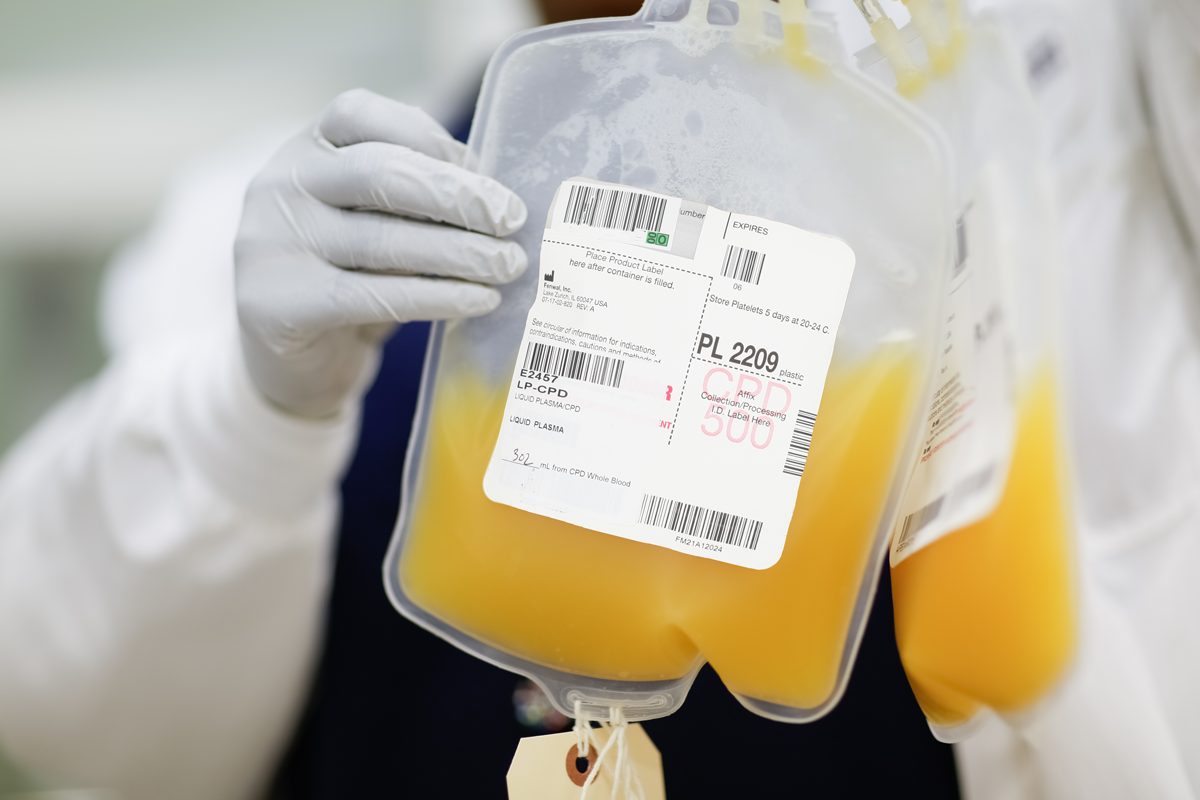
Understanding Plasma: The Liquid Gold of Your Blood
Plasma is the largest component of human blood, comprising about 55 percent of its total volume. This highly viscous liquid is essential for maintaining blood pressure, transporting nutrients, hormones, and proteins to the parts of the body that need them. One of the most fascinating aspects of plasma is its complex composition, containing about 90 percent water, along with salts, enzymes, antibodies, and other crucial proteins.
These proteins perform various functions, including blood clotting and immune responses, highlighting the importance of maintaining adequate plasma levels for overall health. By donating plasma, individuals not only contribute to a lifesaving supply but also support their own health. Studies show that regular plasma donors often have better health awareness and may experience enhanced blood circulation as a result.
Boosting Your Immune System: How Plasma Donation Can Make You Stronger
One of the lesser-known benefits of plasma donation in Orem, Utah is its potential to enhance the immune system. Proteins found in plasma, particularly immunoglobulins, are crucial for fighting infections and diseases. When you donate plasma, your body compensates for the loss by producing more of these proteins, which can stimulate your immune response.
This process benefits both the donor’s health and the broader community by providing a vital resource for patients with immune deficiencies. Additionally, plasma donation promotes the production of new blood cells and metabolic processes that enhance overall vitality.
Calories Burned & Weight Control: Helping Others While Supporting Health
Plasma donation can also contribute to weight management. The body burns approximately 450 calories while replenishing plasma after donation. This calorie expenditure may complement a weight control strategy, making plasma donation both altruistic and beneficial for personal health.
However, it’s important to note that plasma donation should not be used as a primary weight-loss method. It is most effective when combined with a balanced diet and regular exercise.
The Plasma Donation Process: What to Expect in Orem
Step-by-Step Breakdown
Plasma donation typically takes 1 to 2 hours, including registration, health screening, and the donation itself. The process begins with providing personal information and completing a health questionnaire to ensure eligibility.
A healthcare professional then conducts a physical examination, checking vital signs such as blood pressure and pulse, and may take a small blood sample to assess protein levels. Once qualified, a sterile needle is inserted into a vein, and blood is drawn into a machine that separates plasma from other blood components. Red blood cells and other components are returned to the donor, ensuring a safe and efficient process.
Preparing for Donation
Preparation is key to a smooth donation experience. Donors should:
- Hydrate well before the appointment to increase plasma volume.
- Eat a healthy, protein-rich meal to support plasma replenishment.
- Avoid heavy meals immediately before donating.
- Mentally prepare by understanding the process and practicing calming techniques like deep breathing.
Post-Donation Care
After donating, it’s important to:
- Replenish fluids with water or electrolyte drinks.
- Avoid strenuous activity for at least 24 hours.
- Snack on a healthy treat to restore energy.
- Rest to allow the body to recover efficiently.
Common Myths Debunked
Is Plasma Donation Painful?
Plasma donation is generally not painful. Donors may feel a brief pinch during needle insertion, but most report only mild pressure during the procedure. The discomfort is minimal and temporary compared to the lifesaving impact of the donation.
How Often Can You Donate?
The FDA allows plasma donation up to twice a week, with a minimum of 48 hours between donations. This ensures your body has adequate time to replenish plasma levels. Donors are encouraged to listen to their bodies and consult healthcare professionals for guidance.
Compensation for Donors
Many centers provide compensation ranging from $20 to $50 per donation. While financial incentives are appreciated, most donors are motivated by the desire to help others. Compensation acknowledges the time and effort involved in the process.
Connecting with Other Donors
Support groups, both online and in-person, provide opportunities to share experiences and tips. Social media platforms host communities where donors celebrate milestones, discuss challenges, and motivate each other. Connecting with fellow donors enhances the experience and builds a supportive network.
FAQ
What are the eligibility requirements for donating plasma?
Donors must be at least 18, weigh at least 110 pounds, and pass a health screening.
Can I donate if I have medical conditions?
Some conditions affect eligibility. Consult donation center healthcare professionals.
Are there risks?
Minor risks include dizziness, fainting, or bruising at the needle site.
What should I bring?
Valid ID, proof of address, medical history documents, and a light meal.
How is plasma donation different from whole blood donation?
Plasma donation separates plasma from other blood cells using plasmapheresis, returning the rest to the donor.
Can I donate while pregnant or breastfeeding?
Pregnancy and breastfeeding usually disqualify donors. Consult a healthcare provider.
How will my plasma help others?
Plasma is used to treat clotting disorders, liver disease, and immune deficiencies.
How can I promote plasma donation in my community?
Organize events, collaborate with centers, share information online, and encourage friends and family to donate.