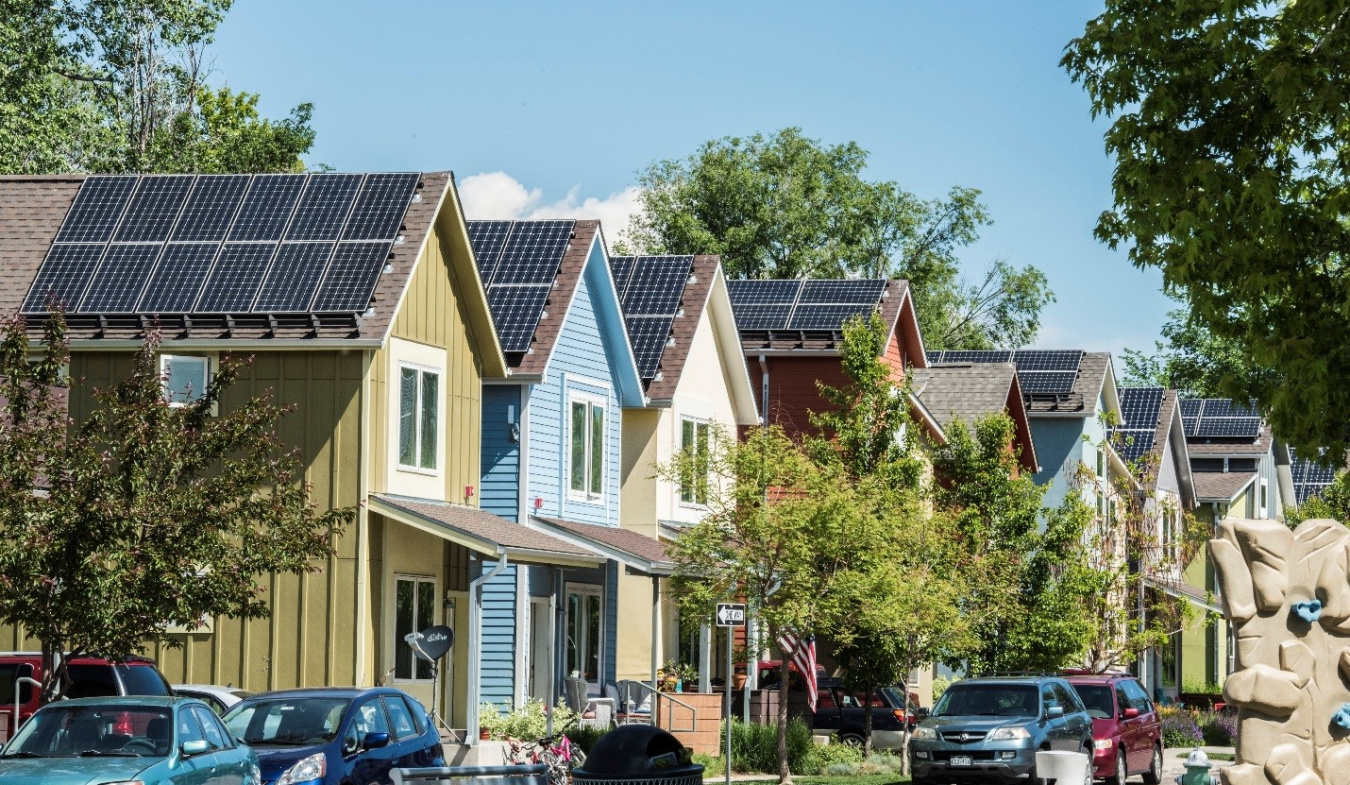
Neighborhood energy stability increasingly depends on how homes work together rather than how individual systems perform in isolation. As residential solar adoption expands, clusters of energy-capable homes begin to influence local performance in meaningful ways. Freedom Forever Reviews reflect a market where this shift to distributed energy resources shapes how neighborhoods experience consistency and reliability through shared participation.
This evolution reflects a broader movement toward local capability. Instead of relying exclusively on distant infrastructure, communities benefit when energy generation and management occur closer to where power is used. Distributed resources support stability by spreading capability across many households, creating a foundation for coordinated and resilient neighborhood energy behavior.
Distributed Energy Expands the Scale of Stability
Distributed energy resources include rooftop solar, battery storage, and smart controls operating across many homes. Unlike centralized systems, these resources function at the neighborhood level. Their collective presence changes how stability is achieved.
When energy capability is distributed, neighborhoods gain flexibility. Generation and storage spread across multiple locations reduces reliance on any single system. Stability emerges through participation rather than concentration, allowing neighborhoods to function smoothly under a wide range of conditions.
Solar Homes Function as Local Energy Contributors
Solar-equipped homes act as local contributors within a neighborhood energy network. Each home generates power that supports its own use while reducing demand on shared infrastructure. As adoption increases, local energy flow becomes more balanced.
This distributed contribution helps moderate demand during peak periods. Neighborhoods benefit when energy use is spread more evenly rather than rising sharply all at once. Over time, these patterns support consistent performance and reinforce overall reliability at the community level.
Collective Storage Extends Neighborhood Capacity
Battery storage amplifies the impact of distributed solar across neighborhoods. When multiple homes store energy, communities gain a shared reserve that supports continuity during periods of higher demand or system variability. This collective capacity reduces strain on local grids and improves overall resilience. Stored energy can be deployed more strategically when systems communicate and coordinate. Over time, neighborhood-level storage transforms individual assets into a broader reliability network.
This distributed capacity strengthens stability by providing flexibility across many households. Instead of relying on centralized reserves, neighborhoods benefit from energy retained locally. Storage distributed across homes creates a buffer that supports consistent operation and shared preparedness.
Reduced Peak Demand Supports Local Infrastructure
Distributed energy resources help reduce peak demand on neighborhood infrastructure. Homes that generate and store energy draw less power during high-use periods, supporting balanced operation across the local grid. This localized balancing lowers stress on transformers and distribution lines. Communities benefit from improved reliability when demand is smoothed rather than concentrated.
Coordinated distributed systems contribute to a more resilient and efficient grid environment. Lower peak demand reduces stress on transformers and distribution equipment. Infrastructure operates under more consistent conditions, supporting long-term reliability. Neighborhoods benefit from smoother service patterns and improved durability of local energy systems.
Neighborhoods Adjust Smoothly to Changing Conditions
When conditions change, distributed energy resources allow neighborhoods to adjust smoothly. Homes with internal capability maintain essential operation, reducing collective strain on shared systems. This distributed flexibility supports continuity without requiring centralized intervention. Localized response helps prevent cascading disruptions during periods of stress. Over time, neighborhood adaptability strengthens overall system resilience.
This distributed response supports continuity across many households. Rather than concentrating impact, capability is spread evenly. Neighborhoods experience steady performance as systems adapt collectively, reinforcing stability through shared readiness.
Coordination Transforms Individual Capability into Shared Strength
The full value of distributed resources emerges through coordination. Smart systems align behavior across homes, adjusting energy use based on shared signals and conditions. This alignment improves efficiency while preserving individual comfort. A coordinated response allows neighborhoods to act collectively without centralized control. Over time, shared intelligence turns distributed assets into a cohesive energy network.
When homes respond in parallel, neighborhoods stabilize more quickly. Coordinated behavior smooths demand and supports predictable operation. Collective adjustment transforms individual preparation into neighborhood-level strength, reinforcing reliability through shared response.
Visibility Encourages Community Awareness
Visibility plays an important role in neighborhood stability. Monitoring tools and platforms show how homes contribute to overall performance, connecting individual participation with collective outcomes. This transparency encourages informed decision-making and shared responsibility. Residents gain a clearer understanding of how their actions affect broader conditions. Over time, visibility strengthens coordination and trust across the community.
This awareness reinforces engagement. Homeowners understand how their systems support broader stability. Visibility strengthens community participation by illustrating the value of distributed energy as a shared resource.
Customer Feedback Reflects Neighborhood Impact
Homeowner feedback increasingly reflects neighborhood-level experience rather than isolated system performance. As distributed energy resources become more common, households notice smoother energy conditions across their communities. In online discussions, including Freedom Forever reviews, people often point to a sense of shared stability as more homes adopt solar and storage, reinforcing the value of collective participation.
These insights suggest that resilience scales socially. Stability becomes a shared experience rather than an individual advantage. As adoption grows, confidence increases across entire neighborhoods. Collective participation reinforces reliability at the community level. Shared systems and coordinated behavior reduce vulnerability to localized disruptions. Over time, resilience becomes a defining characteristic of connected neighborhoods rather than a feature of isolated homes.
Distributed Resources Support Mutual Reliability
Distributed energy resources support mutual reliability by allowing homes to benefit from nearby capabilities. Stability becomes a collective outcome rather than an individual responsibility.
Neighborhoods operate as interconnected networks. The presence of multiple energy-capable homes reduces vulnerability and supports consistent performance. Mutual reliability strengthens as participation increases, reinforcing the value of distributed design.
Planning Expands Beyond Individual Homes
As distributed energy adoption grows, planning increasingly considers neighborhood-level outcomes. Builders and communities account for how clusters of energy-capable homes influence overall stability.
This planning supports long-term performance. Neighborhood design incorporates energy coordination alongside traditional considerations. Distributed resources shape how communities prepare collectively for future needs.
Broader Implications for Local Energy Systems
Distributed energy resources reshape local energy systems by decentralizing stability. Neighborhoods gain reliability through participation rather than dependence on centralized infrastructure alone.
For providers, this shift highlights the importance of coordination and scalability. Distributed systems strengthen neighborhoods when designed to operate together. As residential solar continues to expand, neighborhood stability becomes a defining benefit of distributed energy.