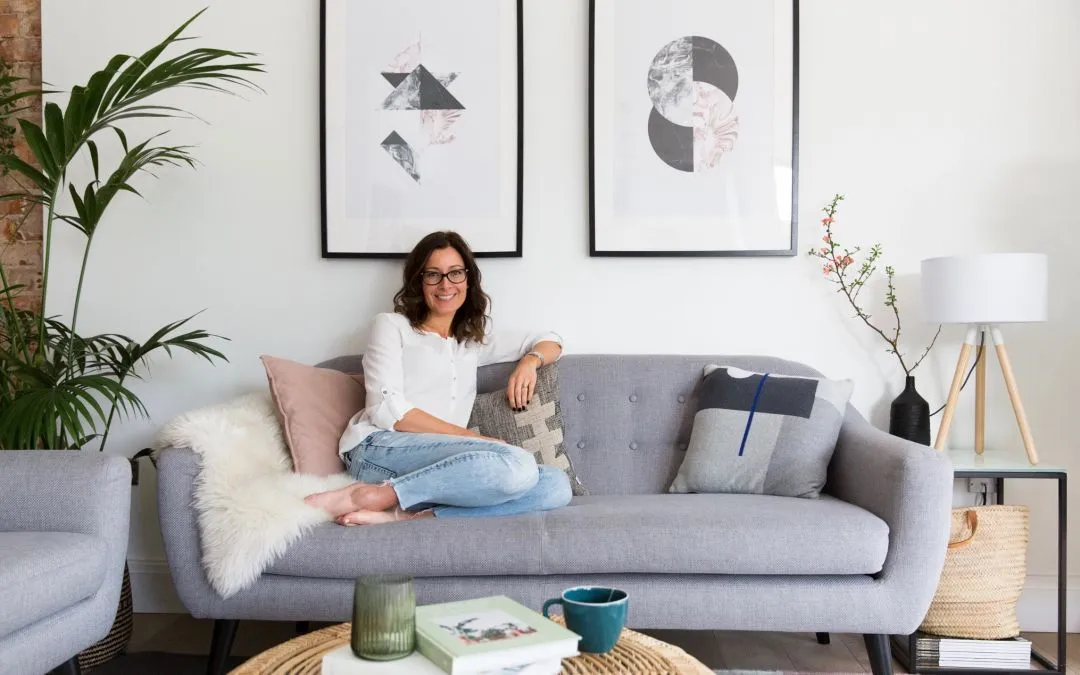
A peaceful home environment supports mental clarity, emotional balance, and physical comfort. In today’s fast-paced world, people spend significant time managing responsibilities, technology, and external pressures. Creating a calm living space inside the home helps restore energy and improves overall well-being.
Peaceful interiors are not limited to large houses or expensive redesigns. Small adjustments in layout, lighting, organization, and decoration can transform everyday spaces into calming environments. With thoughtful planning and simple strategies, anyone can create a home atmosphere that encourages relaxation and focus.
This guide explains practical steps to design peaceful living spaces easily while maintaining functionality and personal style.
Understanding the Importance of a Peaceful Home Environment
A peaceful home supports both emotional stability and productivity. When surroundings feel calm and organized, the mind becomes less distracted and more capable of focusing on meaningful activities.
Benefits of a peaceful living space include:
- Reduced daily stress levels
- Improved sleep quality
- Better concentration
- Stronger emotional balance
- Increased comfort during family time
- Greater motivation for personal activities
Creating calm spaces inside the home improves overall quality of life without requiring major renovation projects.
Decluttering to Create Visual Calmness
Clutter often creates mental fatigue without people realizing it. Removing unnecessary items helps the mind relax because fewer visual distractions compete for attention.
Simple decluttering steps include:
- Removing unused furniture
- Organizing frequently used items
- Storing seasonal belongings properly
- Clearing crowded surfaces
- Keeping walkways open and accessible
Decluttering does not mean removing everything. It means keeping only items that serve a purpose or bring comfort.
Choosing Soft and Balanced Color Palettes
Color influences emotional response more than many people expect. Soft tones create relaxing environments that support peaceful living.
Recommended calming colors include:
- Light beige
- Soft gray
- Pale blue
- Warm white
- Muted green tones
These colors reflect natural elements and reduce visual tension inside rooms. Even small adjustments such as changing cushions or wall decor can shift the atmosphere significantly.
Improving Natural Lighting Inside the Home
Natural light plays an essential role in creating peaceful environments. Sunlight improves mood and supports healthy daily routines.
Ways to increase natural lighting include:
- Opening curtains during daytime hours
- Using light colored window coverings
- Positioning mirrors to reflect sunlight
- Avoiding heavy furniture near windows
Natural lighting creates a sense of openness that improves comfort across all rooms.
Adding Indoor Plants for a Calming Atmosphere
Indoor plants bring life and freshness into living spaces. They help create a connection with nature while improving air quality and visual comfort.
Popular plant choices for peaceful interiors include:
- Snake plants
- Peace lilies
- Pothos plants
- Rubber plants
- Small indoor palms
Plants soften room edges and create balanced environments that feel welcoming and relaxed.
Creating Quiet Corners for Personal Relaxation
Every home benefits from at least one dedicated quiet corner. These areas support reading, reflection, or simply resting without interruption.
A peaceful corner can include:
- Comfortable seating
- Soft lighting
- A small bookshelf
- A blanket or cushion
- Minimal decorative distractions
Even small apartments can include calm personal spaces with thoughtful arrangement.
Using Comfortable Furniture That Supports Relaxation
Furniture influences both physical comfort and emotional experience. Choosing supportive and simple furniture improves daily relaxation.
Helpful furniture considerations include:
- Chairs with proper back support
- Sofas with breathable fabric
- Tables placed at comfortable distances
- Avoiding overcrowded layouts
Comfortable furniture encourages people to spend more quality time inside peaceful environments.
Reducing Noise Levels Inside the Home
Noise affects mood and concentration more than most people expect. Managing sound levels improves relaxation significantly.
Practical noise reduction strategies include:
- Using rugs to absorb sound
- Installing curtains with thicker fabric
- Closing gaps around doors and windows
- Positioning furniture away from noisy walls
Quiet surroundings support deeper rest and better focus.
Organizing Storage to Maintain Long Term Calmness
Storage systems help maintain peaceful spaces after initial improvements. Without proper storage, clutter returns quickly.
Effective storage ideas include:
- Using labeled containers
- Adding vertical shelving
- Keeping daily use items accessible
- Rotating seasonal belongings
Organized storage supports consistency and prevents stress caused by disorder.
Introducing Soft Lighting for Evening Comfort
Lighting affects how spaces feel during evening hours. Harsh lighting can create tension instead of relaxation.
Soft lighting options include:
- Warm toned bulbs
- Floor lamps
- Table lamps
- Indirect lighting placement
Layered lighting allows residents to adjust brightness based on activities and mood.
Creating a Relaxing Bedroom Environment
Bedrooms should support rest and recovery. A calm sleeping environment improves both physical health and emotional stability.
Simple bedroom improvements include:
- Keeping bedside areas uncluttered
- Using breathable bedding materials
- Choosing neutral colored linens
- Limiting electronic distractions near sleeping areas
Small adjustments help transform bedrooms into restorative spaces.
Using Natural Materials for a Balanced Interior Feel
Natural materials create warmth and comfort inside living environments. They provide texture without overwhelming visual attention.
Examples of calming materials include:
- Wooden furniture
- Cotton fabrics
- Linen curtains
- Woven baskets
- Stone decorative pieces
Natural textures help spaces feel grounded and welcoming.
Managing Technology Placement Thoughtfully
Technology plays an important role in modern homes, but excessive screen exposure can reduce relaxation.
Helpful placement strategies include:
- Keeping devices away from sleeping areas
- Creating screen free zones
- Organizing cables neatly
- Limiting background television noise
Balanced technology use supports calm living environments.
Maintaining Clean Air for Healthier Living Spaces
Air quality directly influences comfort and well-being. Fresh indoor air supports relaxation and reduces fatigue.
Ways to improve indoor air quality include:
- Opening windows regularly
- Adding indoor plants
- Using air purifiers if needed
- Avoiding strong artificial fragrances
Healthy air supports both physical comfort and mental clarity.
Personalizing Spaces Without Overcrowding Them
Personal touches make homes feel meaningful, but too many decorative items can create visual stress.
Balanced personalization includes:
- Displaying meaningful photographs
- Choosing a few favorite decorative pieces
- Using simple wall art
- Keeping decorative themes consistent
Thoughtful personalization strengthens emotional connection with living spaces.
Establishing Daily Habits That Maintain Peaceful Environments
Creating peaceful spaces is not a one time activity. Daily habits help maintain calm surroundings over time.
Helpful habits include:
- Returning items to their storage areas
- Opening windows for fresh air
- Adjusting lighting based on time of day
- Cleaning surfaces regularly
Consistency keeps peaceful environments functioning effectively.
Supporting Family Cooperation in Maintaining Calm Spaces
Peaceful homes benefit from shared responsibility. When everyone contributes, maintaining organization becomes easier.
Family cooperation strategies include:
- Assigning small organizing tasks
- Encouraging shared cleaning routines
- Planning storage areas together
- Discussing comfort preferences openly
Shared participation strengthens both relationships and home environments.
Making Small Changes That Deliver Immediate Results
Creating peaceful living spaces does not require expensive upgrades. Simple adjustments often produce noticeable improvements quickly.
Examples of quick improvements include:
- Rearranging furniture for better flow
- Replacing harsh lighting bulbs
- Removing unused decorative items
- Adding a plant near seating areas
- Clearing crowded entryways
Small steps build momentum toward larger improvements over time.
Conclusion
Creating peaceful living spaces inside your home is easier than many people expect. By reducing clutter, improving lighting, adding natural elements, organizing storage, and maintaining comfortable layouts, any home can become a calm and supportive environment.
Peaceful interiors encourage better sleep, improved concentration, and stronger emotional balance. With consistent habits and thoughtful adjustments, households can create living spaces that support relaxation and well-being every day.
Frequently Asked Questions
How long does it take to create a peaceful living space at home
Many improvements can be completed within a few days through decluttering, adjusting lighting, and reorganizing furniture, while deeper changes may take several weeks depending on household needs.
Can peaceful home environments improve productivity for remote workers
Yes, calm surroundings reduce distractions and help remote workers maintain stronger focus during daily tasks.
Are peaceful interiors suitable for homes with children
Yes, peaceful spaces can include child friendly storage systems and flexible layouts that support both comfort and activity.
Does scent influence how peaceful a home feels
Natural scents such as mild herbal or citrus aromas can support relaxation when used carefully and in moderation.
Should peaceful home design follow strict interior design rules
No, peaceful environments should reflect personal comfort preferences rather than strict design guidelines.
Can small apartments feel as peaceful as large homes
Yes, thoughtful organization and balanced furniture placement allow small apartments to feel calm and comfortable.
How often should living spaces be reorganized to maintain a peaceful atmosphere
Most homes benefit from seasonal reviews to remove unused items and refresh layouts for changing needs.